
 EN
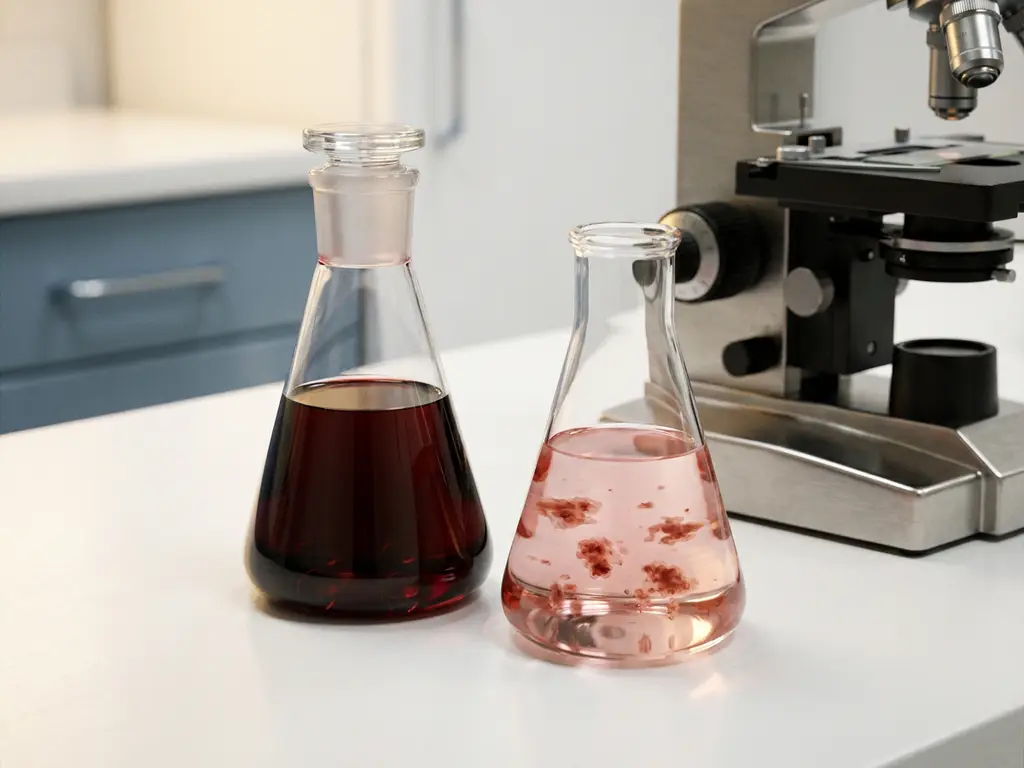
Oncology and hematology are two distinct but closely related medical specialties. Oncology focuses on the diagnosis and research of solid tumors and cancer in general, while hematology is the study of blood, bone marrow, and lymphatic system disorders, which may or may not involve malignancy. The two fields overlap significantly when blood cancers are involved, which is why hematologic oncology has emerged as a combined discipline. The sections below unpack the key differences and connections between these two specialties.
What types of cancer does each specialty treat?
Oncology primarily addresses solid tumors, meaning cancers that form a distinct mass in organs or tissues. Hematology covers disorders of the blood and blood-forming tissues, including both malignant and non-malignant conditions. The distinction lies in whether cancer originates in a solid organ or within the blood and bone marrow.
Oncologists study and manage cancers such as:
- Breast, lung, and colorectal cancer
- Prostate and bladder cancer
- Skin cancers, including melanoma
- Brain tumors and sarcomas
Hematologists, by contrast, focus on conditions that affect blood cells and the bone marrow. This includes blood cancers such as leukemia, lymphoma, and myeloma, but also non-cancerous disorders like anemia, clotting disorders, and hemophilia. The defining characteristic of hematological disease is systemic involvement rather than a localized tumor mass.
How do oncologists and hematologists diagnose disease differently?
Oncologists and hematologists use overlapping but distinct diagnostic methods. Oncology diagnosis relies heavily on imaging and tissue biopsy to locate and characterize solid tumors. Hematology diagnosis centers on blood and bone marrow analysis, where the disease is distributed throughout the circulatory system rather than concentrated in one location.
In oncology research, key diagnostic tools include imaging modalities such as CT, MRI, and PET scans, alongside histopathological analysis of tumor biopsies. Molecular profiling of tumor tissue has become increasingly important for understanding cancer subtypes and disease mechanisms.
In hematology, the diagnostic process typically begins with a complete blood count and peripheral blood smear, followed by bone marrow aspiration and biopsy when malignancy is suspected. Flow cytometry is widely used to classify blood cell populations and identify abnormal cell surface markers. Cytogenetic and molecular testing further characterize chromosomal abnormalities that define specific hematological disease subtypes.
What treatment approaches differ between the two fields?
The treatment strategies investigated in oncology versus hematology reflect the fundamental difference between localized and systemic disease. Oncology research explores approaches targeting specific tumor sites, while hematology research focuses on systemic interventions that affect blood and bone marrow throughout the body.
Oncology research investigates approaches such as surgical resection, radiation, and targeted molecular therapies designed to act on specific tumor biology. Immunotherapy and checkpoint inhibition have become active areas of research for a broad range of solid tumors.
Hematology research investigates systemic approaches, including chemotherapy protocols, stem cell transplantation, and targeted agents that act on specific blood cell signaling pathways. CAR-T cell therapy, which reprograms a patient’s own immune cells, is an area of active investigation in hematological malignancies. Because the disease is present throughout the blood and marrow, localized interventions like surgery are generally not applicable in this field.
When does a patient see an oncologist versus a hematologist?
A patient is typically referred to an oncologist when imaging or biopsy reveals a solid tumor in an organ or tissue. A hematologist is consulted when blood tests reveal abnormalities in cell counts, clotting function, or when a blood-based malignancy such as leukemia or lymphoma is suspected. In practice, these referral pathways often overlap, particularly for lymphoma.
Lymphoma, for example, may initially present as enlarged lymph nodes detected during a general examination. Depending on the institution and the specific subtype, this may be evaluated by either a hematologist or an oncologist, or both working in collaboration. In research settings across the Benelux region, multidisciplinary teams often include specialists from both fields to ensure comprehensive investigation of complex cases.
What is hematologic oncology and how does it bridge both fields?
Hematologic oncology is a subspecialty that combines expertise from both hematology and oncology to focus specifically on blood cancers. It bridges the two fields by applying oncological principles of tumor biology and targeted therapy research to malignancies that arise in the blood, bone marrow, and lymphatic system.
Conditions studied within hematologic oncology include acute and chronic leukemias, Hodgkin and non-Hodgkin lymphoma, multiple myeloma, and myelodysplastic syndromes. Researchers in this field investigate the molecular mechanisms driving abnormal blood cell proliferation and explore how targeted agents can interrupt these pathways.
The emergence of hematologic oncology as a distinct discipline reflects how advances in molecular biology have revealed that blood cancers share many biological features with solid tumors, including driver mutations, immune evasion mechanisms, and tumor microenvironment interactions. This convergence has made collaboration between oncologists and hematologists increasingly valuable in both clinical and research contexts.
How do research tools and lab instruments support each specialty?
Research tools and laboratory instruments are central to advancing both oncology and hematology. Each specialty relies on a specific set of technologies to investigate disease mechanisms, characterize samples, and develop experimental models. The instruments used reflect the nature of the samples involved, whether tissue biopsies in oncology or blood and bone marrow in hematology.
Instruments commonly used in oncology research
Solid tumor research depends on imaging systems and high-content microscopy to visualize tumor architecture and cellular behavior. Multimode plate readers support assay-based studies of cell viability, proliferation, and signaling. Organoid models, which are three-dimensional miniature tissue structures grown in the laboratory, have become a valuable tool for studying tumor biology in a more physiologically relevant context than traditional cell lines.
Instruments commonly used in hematology research
Hematology research relies on flow cytometers for immunophenotyping, liquid handling systems for processing high volumes of blood samples, and automated cell culture platforms for maintaining and expanding primary blood cells. Microplate washers and dispensers support high-throughput assay workflows. As genomic and proteomic profiling becomes more central to hematological research, liquid handling automation has become essential for maintaining reproducibility across large sample sets.
In both fields, the trend toward automation is accelerating. Automated cell culture systems reduce manual handling variability and allow researchers to maintain consistent experimental conditions across longer experimental timelines, which is particularly relevant for studies involving primary patient-derived cells.
How BioSPX supports oncology and hematology research
BioSPX provides life science laboratories across the Benelux region with the instruments and expertise needed to support research in both oncology and hematology. Whether a research team is working with solid tumor models or blood-derived cell populations, BioSPX offers solutions that address the core instrumentation needs of modern cancer research.
- Multimode readers and imaging systems for cell-based assays and tumor model characterization
- Liquid handling solutions for high-throughput sample processing in hematology workflows
- Automated cell culture platforms that reduce manual variability in long-term experiments
- Microplate washers and dispensers for assay preparation and immunoassay workflows
- Organoid research tools, including bioreactor systems for three-dimensional tumor model cultivation
BioSPX’s product specialists advise on instrument selection, experimental setup, and system configuration based on the specific demands of each research application. The service department supports correct installation and provides rapid maintenance response to minimize downtime in active research environments.
If you are setting up or scaling a research program in oncology or hematology in Belgium, the Netherlands, or Luxembourg, contact BioSPX to discuss which instruments best fit your workflow.
Frequently Asked Questions
Can a single researcher or lab work across both oncology and hematology, or do they need to specialize in one?
Many researchers do work across both fields, particularly those focused on hematologic oncology or immunotherapy, where the biology overlaps significantly. That said, building deep expertise in one area first is generally advisable before expanding into the other, as the sample types, instrumentation, and disease models differ considerably. In practice, multidisciplinary collaboration between dedicated oncology and hematology teams is often more effective than a single researcher attempting to master both in equal depth.
What are the most common mistakes when setting up a hematology research workflow for the first time?
One of the most frequent pitfalls is underestimating the sensitivity of primary blood-derived cells, which degrade quickly and require careful handling protocols to preserve viability and biological relevance. Researchers new to hematology workflows also tend to overlook the importance of reproducibility in sample processing, where even minor manual variability between runs can skew results across large sample sets. Investing in liquid handling automation early in the workflow design phase can prevent many of these consistency issues from compounding over time.
How do organoid models fit into oncology research, and are they suitable for hematological cancers too?
Organoids are well-established in solid tumor oncology research, where they provide a three-dimensional, physiologically relevant model of tumor tissue that better recapitulates in vivo behavior than traditional 2D cell lines. For hematological cancers, organoid models are less standard because blood cancers are inherently non-solid and systemic, though researchers are actively exploring co-culture systems that incorporate blood cancer cells alongside stromal or immune components. If you are considering organoid tools for hematological applications, it is worth consulting with an instrument specialist to identify the right bioreactor or culture platform for your specific cell type.
What should a research team prioritize when selecting a flow cytometer for hematology research?
The most important factors are the number of detection channels available, as complex immunophenotyping panels for blood cancers often require simultaneous detection of ten or more markers, and the instrument’s sensitivity for distinguishing rare cell populations. Throughput capacity is also critical if the lab processes high volumes of patient-derived samples on a regular basis. It is advisable to map out the specific panels and assay types your lab intends to run before selecting a platform, as instrument configuration should match your research questions rather than the other way around.
How is automation changing the landscape of oncology and hematology research?
Automation is reducing manual variability, increasing throughput, and enabling experiments that would be impractical to run by hand, particularly those involving large cohorts of primary patient-derived cells or extended culture timelines. In oncology, automated imaging and high-content analysis are accelerating the characterization of tumor models, while in hematology, liquid handling automation is becoming standard for genomic and proteomic profiling workflows. The broader shift toward automation also supports better reproducibility across research sites, which is increasingly important as multi-center studies become more common in both fields.
How do I know which instruments are the right fit for my specific oncology or hematology research application?
The right instrument selection depends on your sample type, assay format, throughput requirements, and the biological questions you are investigating, which means there is rarely a one-size-fits-all answer. A practical starting point is to map out your full experimental workflow from sample input to data output and identify where current bottlenecks or variability issues exist. Consulting with a product specialist who has experience in your specific application area, such as the team at BioSPX for Benelux-based labs, can help you evaluate options based on real workflow requirements rather than general specifications alone.
What is the difference between targeted therapy research in oncology versus hematology?
In oncology, targeted therapy research typically focuses on identifying and inhibiting driver mutations or signaling pathways specific to a solid tumor’s molecular profile, with the goal of disrupting tumor growth at a localized site. In hematology, targeted agents are designed to act systemically on abnormal blood cell populations, often by interfering with the signaling pathways that drive uncontrolled proliferation or block normal cell differentiation. While both fields share an underlying logic of precision medicine, the delivery, distribution, and evaluation of therapeutic effect differ significantly due to the localized versus systemic nature of the diseases involved.
Related Articles
- How can spatially resolved functional data help validate cellular hypotheses?
- What is label-free cell analysis and how does it work in oncology research?
- How can flow cytometry complement live-cell imaging in treatment response studies?
- What can continuous cell monitoring reveal that endpoint assays cannot?
- How does immunotherapy work to fight cancer?
This content was generated with the help of AI and it may contain mistakes