
 EN
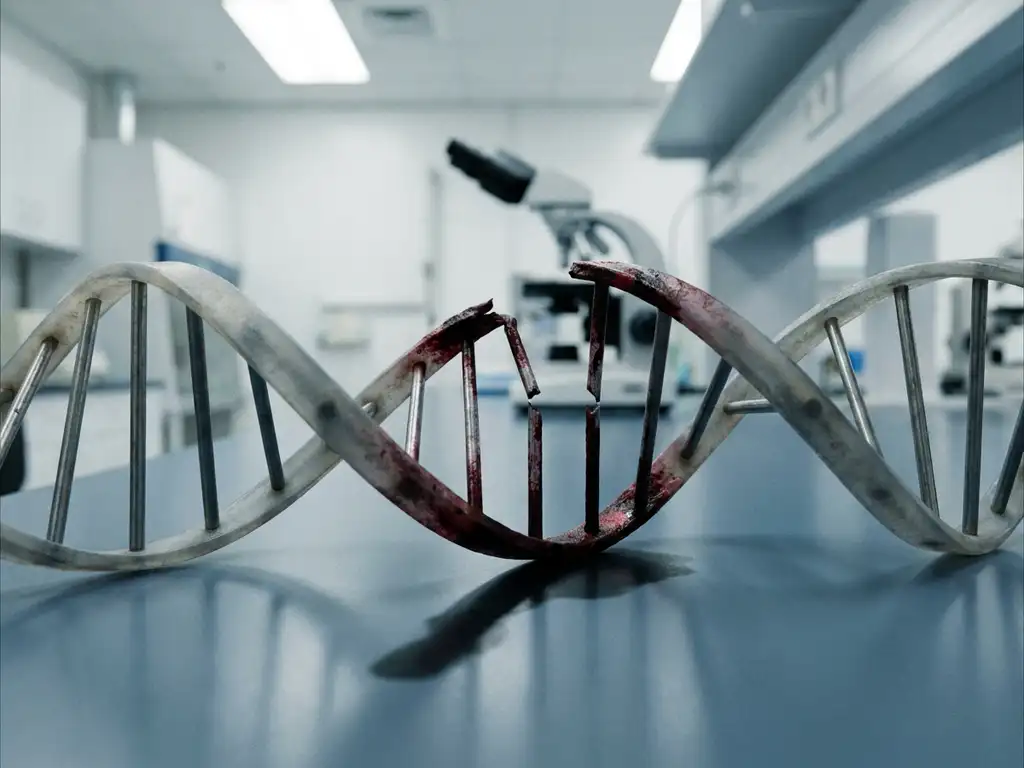
Genetic mutations contribute to cancer development by disrupting the normal controls that regulate cell growth, division, and death. When DNA changes accumulate in genes that govern these processes, cells can begin to multiply uncontrollably, invade surrounding tissue, and spread to other parts of the body. Understanding how specific mutations drive carcinogenesis is central to modern cancer research and the development of targeted therapeutic strategies.
What types of genetic mutations are linked to cancer?
The genetic mutations linked to cancer fall into several distinct categories, each affecting DNA structure or function in a different way. Point mutations, insertions, deletions, chromosomal rearrangements, and copy number variations can all alter gene activity in ways that promote uncontrolled cell growth. What matters most is whether the mutation affects a gene that controls cell proliferation, DNA repair, or programmed cell death.
The most cancer-relevant mutations affect three broad classes of genes:
- Proto-oncogenes, which normally promote cell growth and become oncogenes when mutated
- Tumor suppressor genes, which normally restrain cell division and are silenced or lost in many cancers
- DNA repair genes, which maintain genomic stability and, when mutated, allow further mutations to accumulate unchecked
Mutations can also be classified by their structural nature. A point mutation changes a single nucleotide base, potentially altering the protein a gene encodes. A chromosomal translocation moves a segment of one chromosome to another, sometimes fusing two genes together in ways that produce abnormal signaling proteins. Copy number amplification increases the number of copies of a gene, driving overproduction of its protein product.
How do oncogenes and tumor suppressor genes drive cancer?
Oncogenes and tumor suppressor genes drive cancer through opposing mechanisms. Oncogenes act like stuck accelerator pedals, pushing cells to divide even in the absence of normal growth signals. Tumor suppressor genes act like brakes, and when both copies are inactivated, those brakes fail entirely. Together, mutations in these two gene classes account for a large proportion of known cancer-driving events.
A proto-oncogene becomes an oncogene through a gain-of-function mutation. Often, only one mutated copy is enough to produce an effect, because the resulting protein is constitutively active regardless of what signals the cell receives. This is why oncogene mutations are described as dominant at the cellular level.
Tumor suppressor genes, by contrast, generally follow what is known as the two-hit hypothesis. A cell inherits or acquires one defective copy but retains normal function through the second copy. Cancer arises when the second copy is also lost or silenced, removing the gene’s protective function entirely. This model helps explain why certain inherited cancer syndromes increase risk significantly without making cancer inevitable at birth.
What is the difference between inherited and acquired mutations in cancer?
Inherited mutations, also called germline mutations, are present in every cell of the body from conception because they originate in egg or sperm cells. Acquired mutations, also called somatic mutations, arise during a person’s lifetime in individual cells and are not passed to offspring. Most cancers are driven primarily by somatic mutations, though inherited mutations can substantially raise lifetime cancer risk.
Germline mutations in genes such as those involved in DNA repair or cell cycle regulation are associated with hereditary cancer syndromes. Individuals carrying such mutations do not develop cancer at birth, but their cells have less genetic redundancy to absorb additional somatic hits before cancer-driving thresholds are crossed.
Somatic mutations accumulate continuously throughout life as cells divide. Each DNA replication event carries a small risk of error, and environmental exposures compound that risk. Because somatic mutations are confined to a single lineage of cells, they are detectable in tumor tissue but not in normal cells from the same individual, which is why tumor genomic profiling has become a valuable research tool in cancer biology.
How many mutations does it take to cause cancer?
Cancer typically requires the accumulation of multiple mutations across several key genes rather than a single event. Research in cancer genetics suggests that most solid tumors carry between two and eight driver mutations, meaning mutations that actively contribute to malignant behavior, alongside a larger number of passenger mutations that are present but do not directly drive progression.
The number of mutations required varies by cancer type, tissue of origin, and the specific genes involved. Some aggressive cancers of rapidly dividing tissues accumulate mutations faster, while others in slower-dividing tissues may take decades of gradual accumulation before a clinically detectable tumor forms.
This multi-step model of carcinogenesis explains why cancer is predominantly a disease associated with aging. More time means more cell divisions, more opportunities for replication errors, and more cumulative exposure to mutagens. It also explains why disrupting DNA repair pathways is so consequential: when repair fails, mutations accumulate far more rapidly, compressing the timeline toward malignancy.
What causes DNA mutations that lead to cancer?
DNA mutations that lead to cancer arise from both endogenous and exogenous sources. Endogenous causes include errors during DNA replication, spontaneous chemical changes to DNA bases, and damage from reactive oxygen species generated by normal cellular metabolism. Exogenous causes include ultraviolet radiation, ionizing radiation, chemical carcinogens, and certain viral infections that integrate into or disrupt the host genome.
Some of the best-characterized exogenous mutagens include:
- Ultraviolet radiation, which creates pyrimidine dimers in skin cell DNA and is strongly associated with skin cancers
- Tobacco carcinogens, which form bulky adducts on DNA bases, particularly in lung tissue
- Ionizing radiation, which causes double-strand breaks that are prone to misrepair
- Chemical carcinogens in industrial and environmental contexts, which can alkylate or otherwise modify DNA bases
- Oncogenic viruses, which can insert viral DNA near proto-oncogenes or encode proteins that interfere with tumor suppressor function
Endogenous replication errors are unavoidable to some degree, which is why even individuals with no known risk factor exposure can develop cancer. The balance between mutation rate and DNA repair capacity is therefore a central determinant of cancer risk across tissues and individuals.
Can genetic mutations in cancer be repaired or reversed?
Cells possess several DNA repair pathways that can correct many types of mutations before they become permanent, but once a mutation is established and a cell has divided, reverting that specific change is not straightforward. Research is actively investigating strategies to restore lost tumor suppressor function or suppress oncogene activity at the molecular level, making this one of the most active areas in cancer biology today.
Normal cells rely on repair mechanisms including base excision repair, nucleotide excision repair, mismatch repair, and homologous recombination to address different categories of DNA damage. When these systems function correctly, most mutations are corrected before they can propagate. When repair genes themselves are mutated, the entire genome becomes more vulnerable.
From a research perspective, several approaches are being investigated for their potential to counteract cancer-driving mutations. Gene editing technologies are being explored as tools to study and potentially correct specific mutations in cellular and organoid models. Small molecules that can reactivate silenced tumor suppressor pathways or inhibit constitutively active oncoproteins are areas of ongoing investigation. These approaches are studied at the level of molecular and cellular biology, contributing to a deeper understanding of how carcinogenesis can be interrupted.
How BioSPX supports cancer genetics research in the Benelux
Understanding the molecular mechanisms behind cancer development requires precise, reliable instrumentation at every stage of research, from genomic analysis to cellular modeling. Laboratories across Belgium, the Netherlands, and Luxembourg working in cancer genetics and carcinogenesis research depend on high-quality tools to study mutation dynamics, gene expression, and cell behavior.
BioSPX supports this research community in the Benelux region with a broad portfolio of life science instruments and dedicated expertise, including:
- Multimode readers and imaging systems for assay-based studies of cell proliferation and gene activity
- Liquid handling solutions that improve reproducibility in high-throughput genomic and proteomic workflows
- Organoid research tools such as the Orgonex RPMotion bioreactor, supporting three-dimensional tumor models that more closely reflect in vivo biology
- Cell culture automation systems that reduce variability in routine tasks, freeing researchers to focus on experimental design
- Expert product specialists who advise on instrument configurations and experimental setup for cancer biology applications
Whether you are setting up a new cancer research workflow or scaling an existing one, BioSPX’s team is ready to help you choose the right instruments for your specific research needs. Contact BioSPX to discuss your requirements with a product specialist.
Frequently Asked Questions
What is the difference between a driver mutation and a passenger mutation in cancer?
Driver mutations are genetic changes that directly confer a growth or survival advantage to the cell, actively contributing to cancer development and progression. Passenger mutations, by contrast, are mutations that accumulate in the same cell lineage but do not themselves promote malignancy — they are simply along for the ride. Distinguishing between the two is a central challenge in cancer genomics, because only driver mutations are meaningful targets for therapeutic intervention.
How is tumor genomic profiling used in cancer research, and what can it reveal?
Tumor genomic profiling involves sequencing the DNA of cancer cells to identify the specific mutations, copy number changes, and structural variants present in a given tumor. This approach can reveal which driver mutations are active, whether DNA repair pathways are compromised, and how the tumor’s mutational landscape compares to known cancer subtypes. In a research context, profiling is used to understand carcinogenesis mechanisms, identify potential therapeutic targets, and study how tumors evolve over time.
Why do some tissues develop cancer more frequently than others?
Cancer risk varies across tissues largely because of differences in cell division rates, environmental exposure, and the specific repair mechanisms active in each tissue type. Tissues with high rates of cell turnover — such as colorectal epithelium or hematopoietic cells — have more replication events and therefore more opportunities for replication errors to accumulate. Additionally, some tissues are more directly exposed to exogenous mutagens, such as lung epithelium to tobacco carcinogens or skin cells to UV radiation, further elevating their mutation burden.
What role do three-dimensional tumor models like organoids play in studying cancer mutations?
Organoids and other 3D tumor models allow researchers to study how specific mutations affect cell behavior in an environment that more closely mimics in vivo tissue architecture than standard 2D cell culture. This is particularly valuable when investigating how driver mutations alter cell proliferation, invasion, or response to treatment in a physiologically relevant context. Tools such as the Orgonex RPMotion bioreactor support the culture of these models under controlled conditions, improving reproducibility and the translational relevance of findings.
Can the same mutation drive different types of cancer, or are mutations cancer-type specific?
Some mutations are strongly associated with specific cancer types — for example, UV-induced mutations in skin cancers or tobacco-related adducts in lung cancers — but many driver mutations recur across multiple tumor types. Mutations in TP53, for instance, are among the most common alterations found across a wide range of cancers, from breast to colorectal to hematological malignancies. This cross-cancer recurrence of certain mutations is part of what has driven interest in tissue-agnostic research approaches in molecular oncology.
What is a mutational signature, and why is it useful in cancer research?
A mutational signature is a characteristic pattern of base substitutions or other genomic changes that reflects the specific mutational processes a tumor has been exposed to over time. Different signatures are associated with different causes, such as UV exposure, tobacco carcinogens, defective mismatch repair, or APOBEC enzyme activity. Identifying mutational signatures in tumor samples helps researchers reconstruct the history of mutagenic exposures in a given cancer and can inform understanding of cancer etiology and potential vulnerabilities.
How can researchers minimize variability when studying cancer mutations in the laboratory?
Variability in cancer mutation research can stem from inconsistent cell culture conditions, pipetting errors in genomic workflows, or batch-to-batch differences in reagents and models. Implementing liquid handling automation improves reproducibility in high-throughput genomic and proteomic assays, while standardized cell culture automation systems reduce manual variability in routine maintenance tasks. Choosing validated, high-quality instrumentation and working with application specialists to optimize experimental setups are also key strategies for generating reliable, reproducible data.
Related Articles
- What is the difference between 2D and 3D tumor cell culture models?
- What are the most significant advances in oncology in 2026?
- What are the most common types of cancer treated in oncology?
- What is the difference between oncology and hematology?
- What does staging mean in oncology?
This content was generated with the help of AI and it may contain mistakes