
 EN
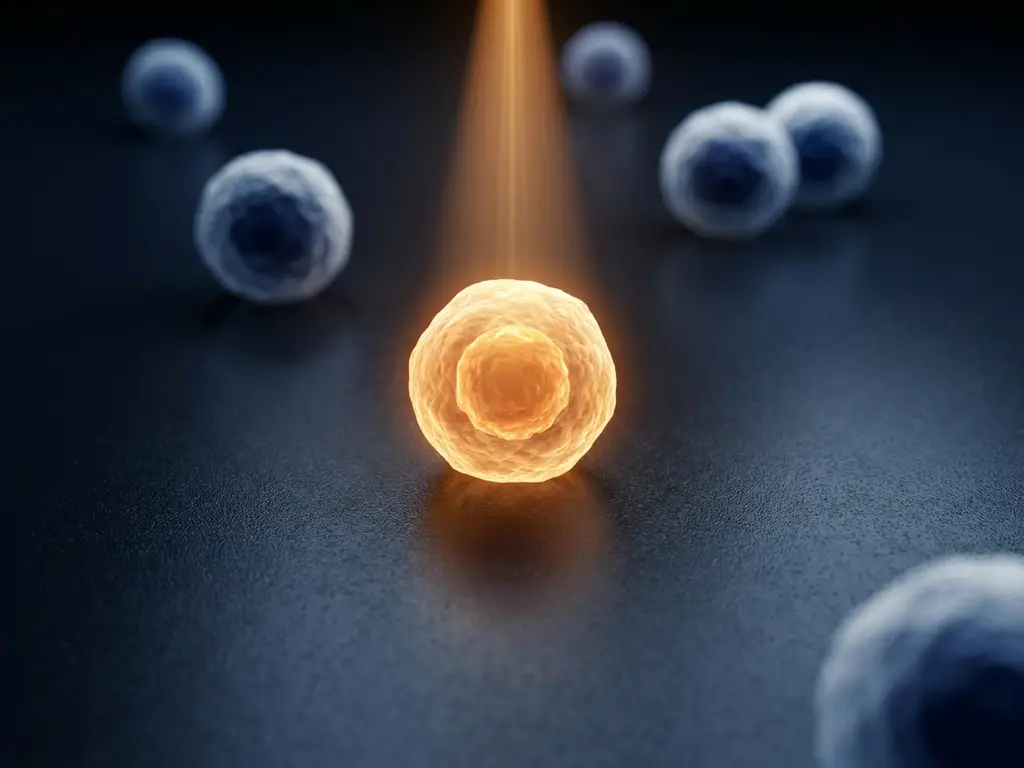
Targeted therapy and chemotherapy are both cancer treatment approaches studied in research, but they work in fundamentally different ways. Targeted therapy uses drugs designed to interfere with specific molecular targets involved in cancer cell growth, while chemotherapy uses chemical agents that broadly attack rapidly dividing cells. The distinction matters enormously for how researchers design studies, interpret results, and develop next-generation oncology tools. The sections below unpack the key questions researchers and laboratory professionals ask about these two approaches.
How does targeted therapy work at the molecular level?
Targeted therapy works by identifying and interfering with specific proteins, genes, or signaling pathways that drive the growth and survival of cancer cells. Rather than broadly disrupting cell division, targeted agents are designed to bind to a defined molecular structure, blocking the signals that tell cancer cells to grow, divide, or spread.
Most targeted therapies interact with one of two broad categories of molecular targets: surface receptors on cancer cells or intracellular signaling proteins. When a receptor on a cancer cell is overexpressed or mutated, it can send continuous growth signals even without an external trigger. Targeted agents can block that receptor directly, preventing the signal from being transmitted.
Inside the cell, kinases are enzymes that act as molecular switches, passing growth signals from the cell surface to the nucleus. Many targeted therapies in research focus on inhibiting these kinases, effectively cutting off the internal communication chain that would otherwise push the cell toward uncontrolled division. This molecular precision is what defines targeted therapy as a cornerstone of precision medicine research.
What’s the difference between targeted therapy and chemotherapy?
The core difference between targeted therapy and chemotherapy lies in selectivity. Chemotherapy attacks all rapidly dividing cells throughout the body, while targeted therapy is designed to act on specific molecular features present in cancer cells. This distinction shapes everything from research design to the side effect profiles that scientists study in laboratory and clinical settings.
Chemotherapy has been a foundational tool in oncology research for decades. Its mechanism relies on broadly disrupting DNA replication or cell division, which is effective against fast-growing cancer cells but also affects healthy tissues with high turnover rates, such as bone marrow, the gastrointestinal lining, and hair follicles.
Targeted therapy, by contrast, requires prior identification of the specific molecular target in the cancer being studied. This is why biomarker testing and molecular profiling have become central to cancer research workflows. Without confirming the presence of the target, the therapeutic rationale for a targeted agent does not apply. This is a key reason why laboratory instrumentation supporting genomic and proteomic analysis plays a growing role in translational research environments across the Benelux region.
What are the main types of targeted therapy drugs?
The main types of targeted therapy drugs fall into several mechanistic categories, each designed to interfere with cancer biology at a distinct molecular level. The most widely studied classes in research include:
- Small molecule inhibitors: These compounds are small enough to enter cells and block intracellular signaling proteins such as kinases. They are among the most extensively researched classes in oncology drug development.
- Monoclonal antibodies: Engineered proteins designed to bind to specific targets on the surface of cancer cells, either blocking receptor activation or flagging cells for immune destruction.
- Antibody-drug conjugates: A hybrid approach combining a monoclonal antibody with a cytotoxic payload, delivering a destructive agent directly to cells expressing the target.
- Angiogenesis inhibitors: Agents that target the molecular signals driving tumor blood vessel formation, cutting off the nutrient supply cancer cells depend on for growth.
- PARP inhibitors: Compounds that exploit specific DNA repair deficiencies found in certain cancer types, preventing cancer cells from repairing damage to their genetic material.
- Proteasome inhibitors: Agents that disrupt the cellular machinery responsible for degrading damaged or unneeded proteins, leading to toxic protein accumulation in cancer cells.
Each class requires a different molecular context to be relevant in research, which is why identifying the right target through laboratory analysis is a prerequisite for studying these agents meaningfully.
What side effects does targeted therapy cause compared to chemotherapy?
Targeted therapy and chemotherapy produce different side effect profiles because they act on different biological systems. Chemotherapy’s broad mechanism causes well-documented effects including nausea, hair loss, fatigue, and immune suppression, all resulting from damage to healthy dividing cells. Targeted therapy’s side effects are more closely tied to the specific pathway being inhibited.
Because many targeted agents interfere with signaling pathways that healthy cells also use to some degree, off-target effects do occur. Researchers commonly investigate skin reactions, liver enzyme changes, hypertension, and gastrointestinal effects depending on the pathway involved. The severity and type of these effects vary considerably between different classes of targeted agents.
From a research perspective, characterizing and monitoring these side effect profiles is an important part of drug development. Laboratory assays, cellular imaging, and biochemical analysis tools all contribute to understanding how targeted agents interact with both cancerous and healthy tissue at the molecular level.
Who is a candidate for targeted therapy?
In a research context, candidacy for targeted therapy investigation is determined by whether a specific molecular target is present and actionable in the cancer being studied. Not all cancers express the targets that existing agents are designed to address, which means molecular profiling is a prerequisite for meaningful research.
The identification of candidates relies on genomic sequencing, protein expression analysis, and biomarker testing. These laboratory workflows determine whether a tumor carries the mutation or overexpression that makes it biologically relevant to a given targeted agent. This is why molecular diagnostics and high-throughput screening tools are central to precision medicine research programs.
In the Benelux research community, academic laboratories, biotech firms, and pharmaceutical R&D teams are increasingly integrating molecular profiling into their workflows as the foundation for studying targeted therapy candidates. The ability to accurately characterize tumor biology at the molecular level is what makes targeted approaches investigable in the first place.
Can targeted therapy and chemotherapy be used together?
Yes, targeted therapy and chemotherapy are investigated in combination in many research contexts. The rationale is that the two approaches attack cancer biology through different mechanisms, which can be complementary. Chemotherapy may address cancer cells that lack the specific molecular target, while a targeted agent simultaneously blocks the signaling pathway driving growth in cells that do express it.
Combination strategies are an active area of oncology research precisely because resistance to single-agent approaches is a recognized challenge. Cancer cells can develop alternative signaling routes that bypass a targeted agent, and pairing it with a cytotoxic chemotherapy agent may reduce the likelihood of this occurring.
Researchers studying combination regimens rely on robust in vitro and in vivo models to understand how these agents interact at the cellular level. Organoid models, cell culture systems, and high-content imaging platforms are among the laboratory tools that support this kind of mechanistic investigation, enabling researchers to study drug interactions in more biologically relevant systems before advancing to later stages of study.
How BioSPX supports targeted therapy research in the Benelux
Research into targeted therapy depends on precise, reliable laboratory instrumentation at every stage, from molecular target identification to combination therapy investigation. BioSPX supports life science researchers across Belgium, the Netherlands, and Luxembourg with a portfolio of instruments and solutions designed for exactly these workflows.
- Multimode readers and imaging systems for high-content cellular analysis and biomarker detection
- Liquid handling solutions for accurate, reproducible sample preparation in molecular profiling workflows
- Cell culture automation including the Discover Nestor system, which automates up to 80% of routine culture tasks to support consistent in vitro research models
- Organoid research platforms such as the Orgonex RPMotion bioreactor, enabling more physiologically relevant cancer models for targeted therapy investigation
- Expert product specialists who advise on instrument configuration and experimental setup tailored to your research questions
- Installation, training, and maintenance support to keep your laboratory workflows running without interruption
If you are building or expanding a research program focused on precision medicine or cancer biology in the Benelux region, contact BioSPX to discuss which instruments and configurations best support your work.
Frequently Asked Questions
How do researchers identify which targeted therapy is appropriate for a specific cancer model in the lab?
The process begins with comprehensive molecular profiling of the cancer model, including genomic sequencing to detect mutations, protein expression analysis to identify overexpressed receptors, and biomarker testing to confirm the presence of an actionable target. Only once a specific molecular alteration is confirmed does it become scientifically justified to investigate a targeted agent designed for that pathway. In practice, this means high-throughput screening platforms, next-generation sequencing tools, and proteomics workflows are foundational to any targeted therapy research program before a single compound is ever tested.
What are the most common reasons targeted therapy research fails to translate from the lab to later study stages?
One of the most frequently cited challenges is acquired resistance, where cancer cells develop alternative signaling pathways that bypass the inhibited target, rendering the agent ineffective over time. Another common issue is target heterogeneity within a tumor, meaning not all cancer cells express the target at the same level, which limits the agent’s overall impact. Researchers also encounter off-target toxicity that was not fully characterized in early in vitro models, underscoring the importance of using biologically relevant systems such as organoids or 3D culture models rather than relying solely on monolayer cell cultures.
How do in vitro cancer models affect the reliability of targeted therapy research results?
The choice of cancer model has a direct impact on how well research findings reflect real tumor biology. Traditional 2D cell lines are useful for early mechanistic studies but often fail to replicate the three-dimensional architecture, cell-to-cell signaling, and microenvironmental conditions present in actual tumors. Organoid models and 3D culture systems provide a more physiologically relevant context, which tends to produce results that are more predictive of how a targeted agent will behave in more complex biological environments. For researchers investigating targeted therapy, investing in advanced in vitro platforms is increasingly considered a best practice rather than an optional upgrade.
What is the role of biomarker testing in designing a targeted therapy research study?
Biomarker testing is not a preliminary step in targeted therapy research — it is the foundation on which the entire study rationale is built. Without confirming that the molecular target is present and expressed at a relevant level in the cancer model being studied, there is no scientific basis for expecting the targeted agent to have an effect. Researchers use tools such as immunohistochemistry, flow cytometry, ELISA, and genomic sequencing to characterize biomarker status before and during experiments, and in many cases, biomarker changes are themselves used as endpoints to measure whether the targeted agent is engaging its intended pathway.
How should researchers approach studying drug resistance when investigating targeted therapies?
Resistance modeling should ideally be built into the research design from an early stage rather than treated as a problem to address after initial efficacy is observed. Common laboratory approaches include generating resistant cell lines through prolonged drug exposure, using CRISPR-based tools to introduce or knock out specific resistance-associated mutations, and employing combination therapy models to test whether pairing agents can delay or prevent resistance emergence. High-content imaging and transcriptomic analysis are particularly useful for tracking the molecular changes that occur as resistance develops, giving researchers mechanistic insight into how cancer cells adapt.
What laboratory automation capabilities are most valuable for scaling up targeted therapy research workflows?
As targeted therapy research programs grow in scope, manual workflows in molecular profiling, cell culture maintenance, and compound screening become significant bottlenecks that introduce variability and limit throughput. Liquid handling automation improves reproducibility in sample preparation and assay setup, while automated cell culture systems reduce the manual burden of routine maintenance tasks and help maintain consistent, standardized in vitro models across experiments. For programs running large-scale screening campaigns or managing multiple cancer models simultaneously, integrating automation at both the sample preparation and culture maintenance stages is one of the most impactful investments a laboratory can make.
Are there specific regulatory or documentation considerations researchers should keep in mind when working with targeted therapy compounds in a Benelux laboratory setting?
Yes, researchers working with targeted therapy compounds in Belgium, the Netherlands, and Luxembourg need to comply with applicable institutional biosafety protocols, chemical handling regulations, and, where relevant, good laboratory practice (GLP) standards if the research is intended to support regulatory submissions. Many targeted agents, particularly cytotoxic antibody-drug conjugates, require specific containment and disposal procedures. It is also important to maintain thorough documentation of compound provenance, storage conditions, and experimental protocols, as traceability requirements are increasingly emphasized both by funding bodies and by regulatory frameworks governing translational and clinical-stage research.
Related Articles
- Why is fluorescence lifetime imaging useful for studying protein interactions?
- How does membrane integrity reflect treatment response at the cellular level?
- What is clonal evolution and how does it shape tumor heterogeneity?
- What are the most significant advances in oncology in 2026?
- How do clinical trials work in oncology?
This content was generated with the help of AI and it may contain mistakes